
In the logistics and transport industries, precision is everything. Operating a fleet blindly when it comes to cargo weight is a costly gamble. By utilizing advanced onboard telemetry—specifically axle and air pressure sensors—fleet managers can track vehicle load mass in real-time.
Beyond simple compliance, tracking your vehicle’s payload is one of the most effective ways to protect your bottom line. Here is why it matters, and exactly who benefits the most.
The Financial Benefits of Real-Time Mass Tracking
- Eliminating Costly Overload Fines: Regulatory bodies enforce strict gross vehicle mass (GVM) and axle load limits. Onboard sensors provide instant alerts before a vehicle leaves the depot, ensuring you never pay a steep overloading fine again.
- Preventing Excessive Wear and Tear: Overloading places immense mechanical stress on brakes, suspension, tires, and the drivetrain. Real-time monitoring keeps vehicles within their optimal operating thresholds, drastically reducing unscheduled maintenance costs and extending the lifespan of your assets.
- Maximizing Route and Fuel Efficiency: Underloading is just as inefficient as overloading; it means you are leaving money on the table. Precise mass tracking allows you to safely maximize every single trip’s payload capacity, optimizing fuel consumption per ton-mile and reducing the total number of trips required.
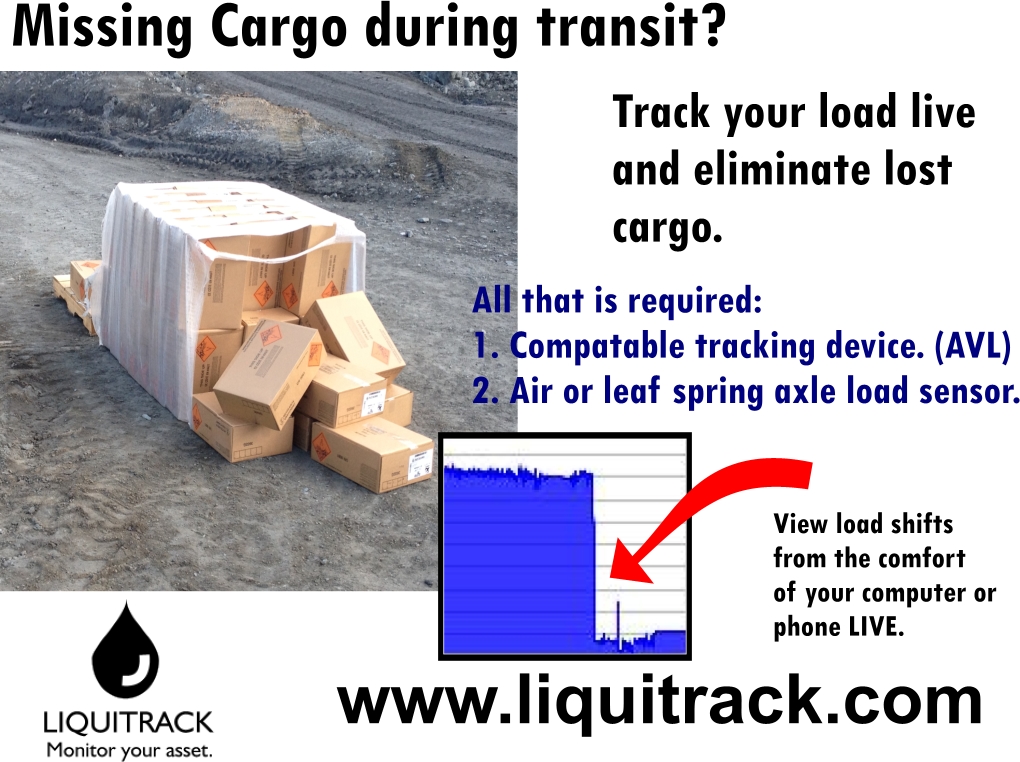
- Protecting Against Cargo Theft: Sudden, unexplained drops in axle or air pressure during transit act as an early warning system for unauthorized offloading or cargo theft, allowing for immediate intervention.
Who Benefits the Most?
- Fleet Managers & Logistics Operators: They gain full visibility into fleet utilization, allowing them to balance loads effectively, reduce operational overheads, and streamline billing based on exact, verified weights.
- Owner-Operators: For independent truck drivers, every dollar counts. Sensors protect their personal investment by preventing premature vehicle degradation and eliminating fines that eat directly into their margins.
- Bulk Transport & Construction Companies: Industries dealing with fluctuating or unquantified materials (like gravel, mining output, or agricultural yields) can load confidently to the legal limit without relying on distant, time-consuming commercial weighbridges.
The Bottom Line: Onboard mass tracking shifts your operation from guesswork to precision data. By investing in axle and air pressure sensors, you aren’t just monitoring weight—you are actively plugging cost leaks and driving operational efficiency.
Leave a Reply